 Skip to content
Nasolabial Fold Filler
Upper West Side
Restore Smoother Facial Contours and Natural Facial Balance
Nasolabial folds are among the most common signs of facial aging. While they are a natural part of facial expression, deeper folds can create shadows that contribute to an older, tired, or less refreshed appearance. Experiencing customized nasolabial fold filler Upper West Side treatments with Dr. Sonali Lal can soften these lines, restore lost facial volume, and improve overall facial harmony without surgery.
Non-Surgical Rejuvenation
What Are Nasolabial Folds?
Nasolabial folds are the natural creases that run from the sides of the nose toward the corners of the mouth. Everyone has nasolabial folds. However, they often become more visible with age due to structural changes that occur throughout the face.
As the cheeks lose support and volume, tissues may gradually descend, making nasolabial folds appear deeper and more prominent. Rather than simply filling lines, my focus is on addressing the underlying causes of facial aging and creating natural-looking rejuvenation that complements your unique features.
Pronounced folds can develop due to:
- Natural aging
- Loss of facial volume
- Decreased collagen production
- Skin laxity
- Changes in fat distribution
- Repetitive expressions
- Sun exposure
- Genetic factors
A Complex Process
Why Nasolabial Folds Become More Noticeable
Facial aging is a complex process that involves much more than wrinkles alone. Over time, the face undergoes changes at multiple levels, including:
Volume Loss in the Midface: One of the most common contributors to nasolabial folds is age-related volume loss in the cheeks. As support decreases, folds around the mouth often become more pronounced.
Decreased Collagen Production: Collagen provides structure and resilience to the skin. Over time, collagen production naturally declines, allowing folds and creases to become more visible.
Changes in Skin Elasticity: Aging skin becomes less capable of resisting repetitive facial movements and gravitational forces.
Structural Changes in Facial Support: Underlying changes in bone, soft tissue, and fat distribution can alter facial proportions and contribute to deeper folds.
"Because multiple factors contribute to nasolabial folds, successful treatment often requires a comprehensive approach rather than focusing solely on the fold itself."
Safety & Precision First
Why Experience Matters When Treating Nasolabial Folds
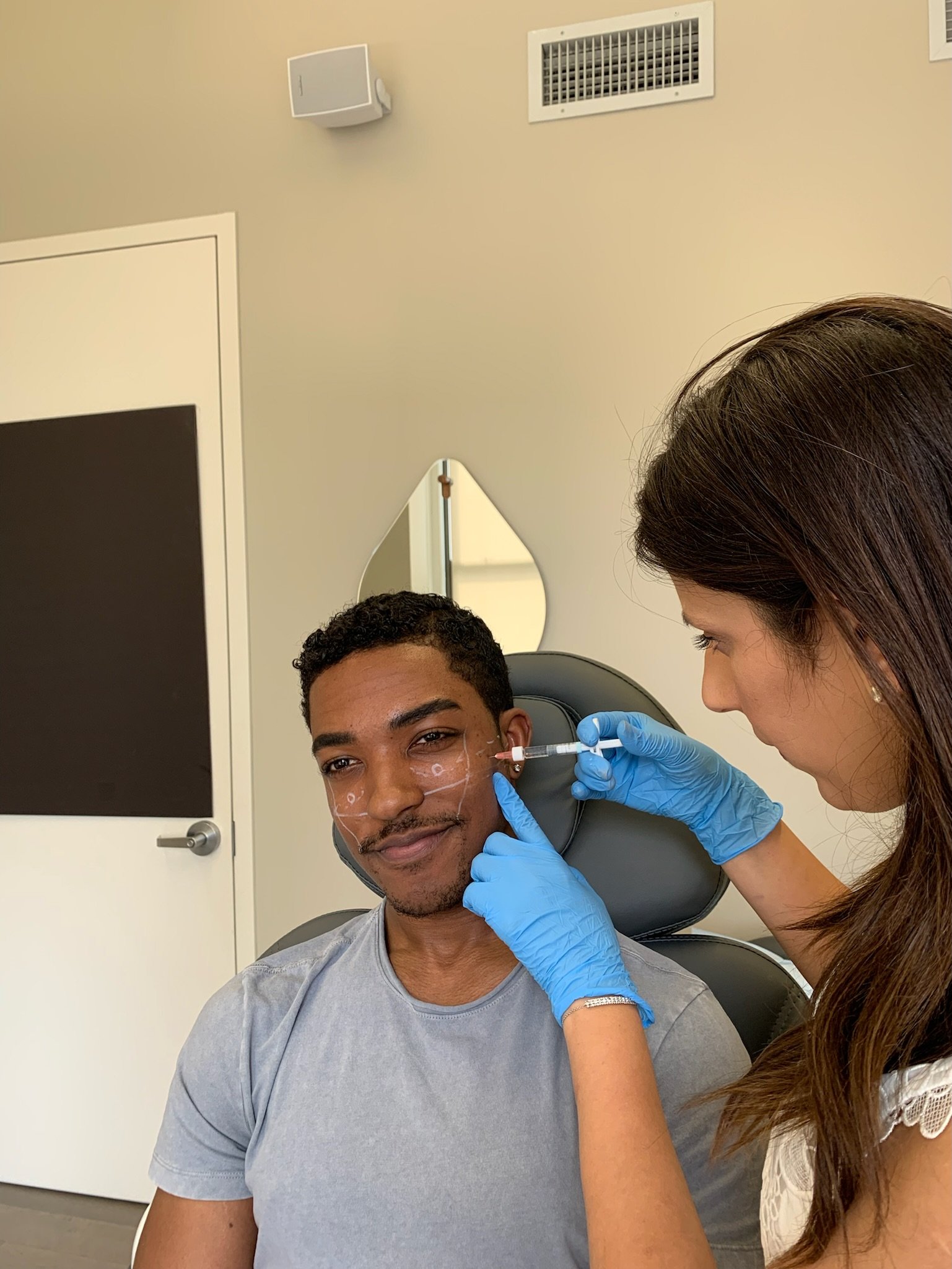
Nasolabial fold filler is not simply about injecting filler into a line. Effective treatment requires a detailed understanding of facial anatomy, aging patterns, volume distribution, and facial balance. My training and experience allow me to evaluate the face as a whole rather than treating individual features in isolation.
As an Attending Physician at NewYork-Presbyterian Hospital and Assistant Clinical Professor at Columbia University, I have spent decades performing precision-based procedures and studying anatomy. My expertise in advanced injection therapies extends beyond aesthetics and includes regenerative medicine treatments such as Platelet-Rich Plasma (PRP) and Bone Marrow Aspirate Concentrate (BMAC).
I am also a published medical author and contributor to the Atlas of Interventional Orthopedics, where I have written on advanced injection techniques and anatomical procedures. When evaluating nasolabial folds, I assess: midface volume, cheek support, facial symmetry, skin quality, jawline structure, and overall proportions.
How Dermal Fillers Improve Nasolabial Folds
Dermal fillers are injectable gels commonly made from hyaluronic acid, a naturally occurring substance that helps maintain skin hydration and volume.
Soften Deep Folds
Gently softens the appearance of dynamic and static creases extending from the nose to the mouth.
Restore Facial Volume
Addresses midface volume depletion directly to lift sagged tissues and smooth lower facial contours.
Improve Cheek Support
In many cases, restoring structural support in the cheeks may improve folds more effectively than treating the fold alone.
Reduce Shadows
Diminishes dark, heavy shadows around the mouth, generating an instantly refreshed, energetic appearance.
Who May Be a Candidate for Nasolabial Fold Filler?
Because every face ages differently, treatment recommendations are always individualized. You may be a candidate if you are bothered by:
Our Method
What Happens During an Appointment?
Experience a safe, comfortable, and highly individualized treatment planning process centered around anatomical precision.
Comprehensive Evaluation
I carefully assess your facial structure, smile lines, and surrounding support structures.
Customized Planning
A personalized treatment strategy is created based on your unique facial anatomy and aesthetic goals.
Preparation
The treatment area is cleansed and prepared. Custom comfort measures are applied to ensure your treatment is comfortable.
Precise Placement
Using advanced techniques, I place filler strategically to improve support, soften folds, and restore facial balance.
Review & Aftercare
Following treatment, I review the results and provide individualized aftercare instructions for your recovery.
Results, Longevity & Recovery
Does Nasolabial Fold Filler Look Natural?
When performed conservatively and thoughtfully, dermal filler can create extremely natural-looking results.
Avoiding Overcorrection
The most successful treatments restore support and balance without making patients look overfilled or unnatural. One of my primary goals is to avoid overcorrection.
I believe aesthetic medicine should enhance your appearance while preserving your individuality. The best results are subtle, elegant, and natural-looking.
Many patients receive compliments that they look refreshed or well-rested without anyone realizing they have undergone treatment.
My Personalized Consultation Process
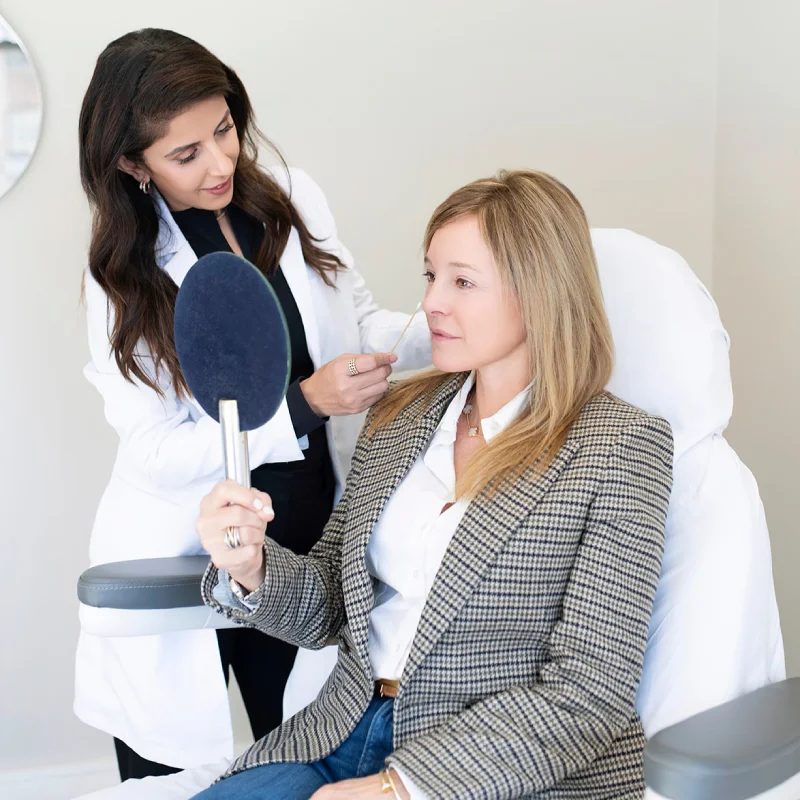
Every treatment begins with a comprehensive consultation. I take time to explain the factors contributing to your concerns and discuss treatment options tailored to your anatomy.
Our initial evaluation evaluates:
- ✔ Facial anatomy & volume loss patterns
- ✔ Lower eyelid structure & cheek support
- ✔ Skin quality, facial balance, & symmetry
- ✔ Your personal, unique aesthetic goals
Why Patients Choose Dr. Sonali Lal
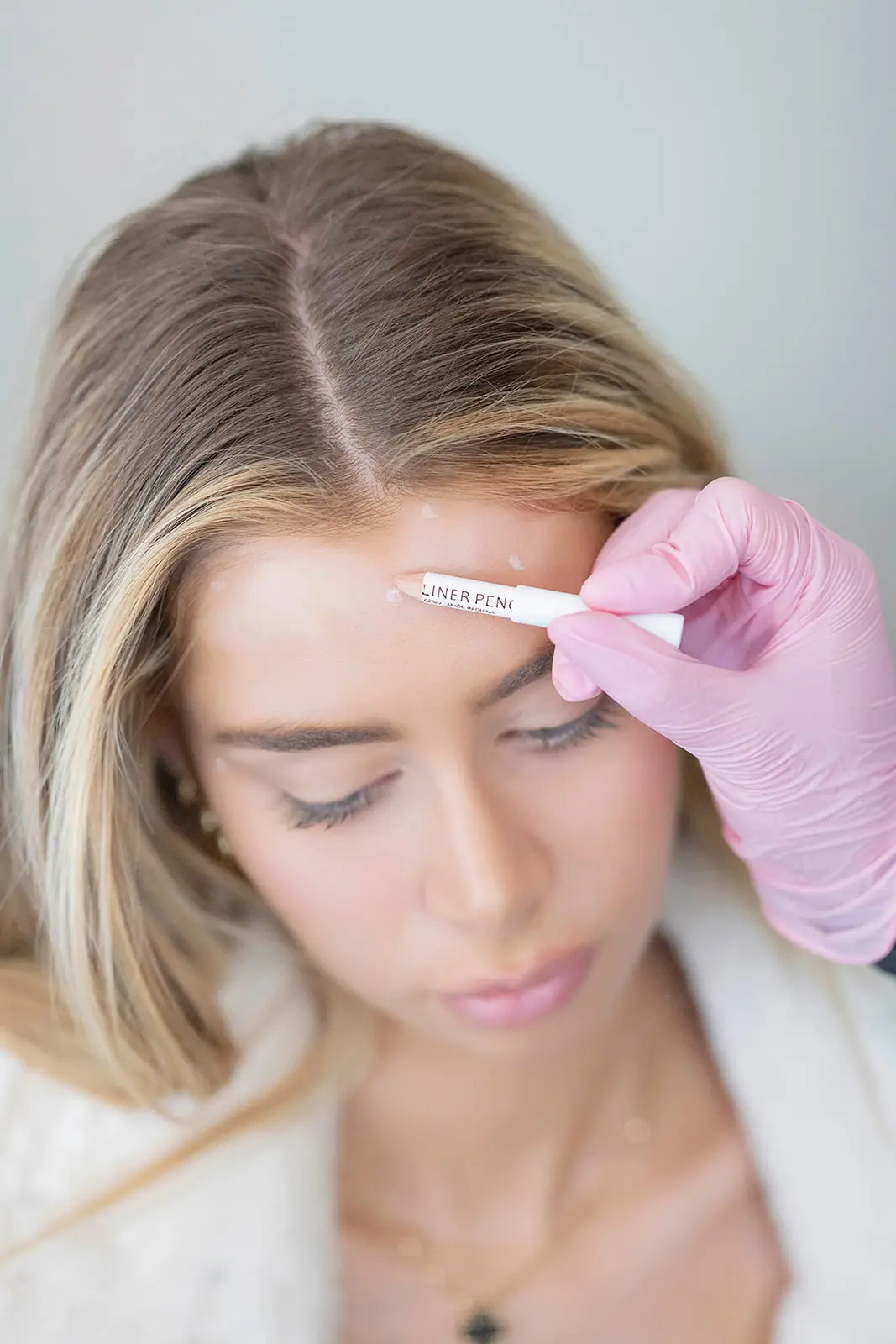
Patients choose me because they want personalized treatment from an experienced physician who prioritizes safety, facial harmony, and natural-looking outcomes. My commitment to patient-centered care, anatomical precision, and individualized treatment planning helps patients achieve refreshed, balanced, and natural-looking results.
Physician Qualifications:
- • Board-certified physiatrist with more than 20 years of clinical experience
- • Attending Physician at NewYork-Presbyterian Hospital
- • Assistant Clinical Professor at Columbia University
- • Licensed physician in New York, New Jersey, and Florida
- • Contributor & published author in the Atlas of Interventional Orthopedics
- • Recognized by Castle Connolly as one of NYC's Best Doctors (2016–2019)
- • Recipient of the "Best Woman in Medicine" recognition in 2017
- • Featured expert in The New York Times and New York Magazine
- • Extensive experience performing advanced precision injection procedures
Combining Folds Filler with Other Treatments:
For comprehensive facial rejuvenation, I often combine dermal fillers with other non-surgical therapies:
Learn More
Frequently Asked Questions
Are nasolabial folds the same as smile lines?
Yes. Nasolabial folds are commonly referred to as smile lines and extend from the sides of the nose to the corners of the mouth.
Can filler completely remove nasolabial folds?
The goal is typically to soften folds and improve facial balance rather than eliminate every crease entirely.
Will I still look like myself?
Absolutely. My approach focuses on enhancing natural features while preserving facial expression and character.
Is nasolabial fold filler painful?
Most patients tolerate treatment well. Comfort measures are available to help improve the treatment experience.
How soon will I see results?
Many patients notice improvement immediately following treatment, although final results become more apparent as any swelling resolves.
Is there downtime?
Most patients resume normal daily activities shortly after treatment with minimal disruption.
